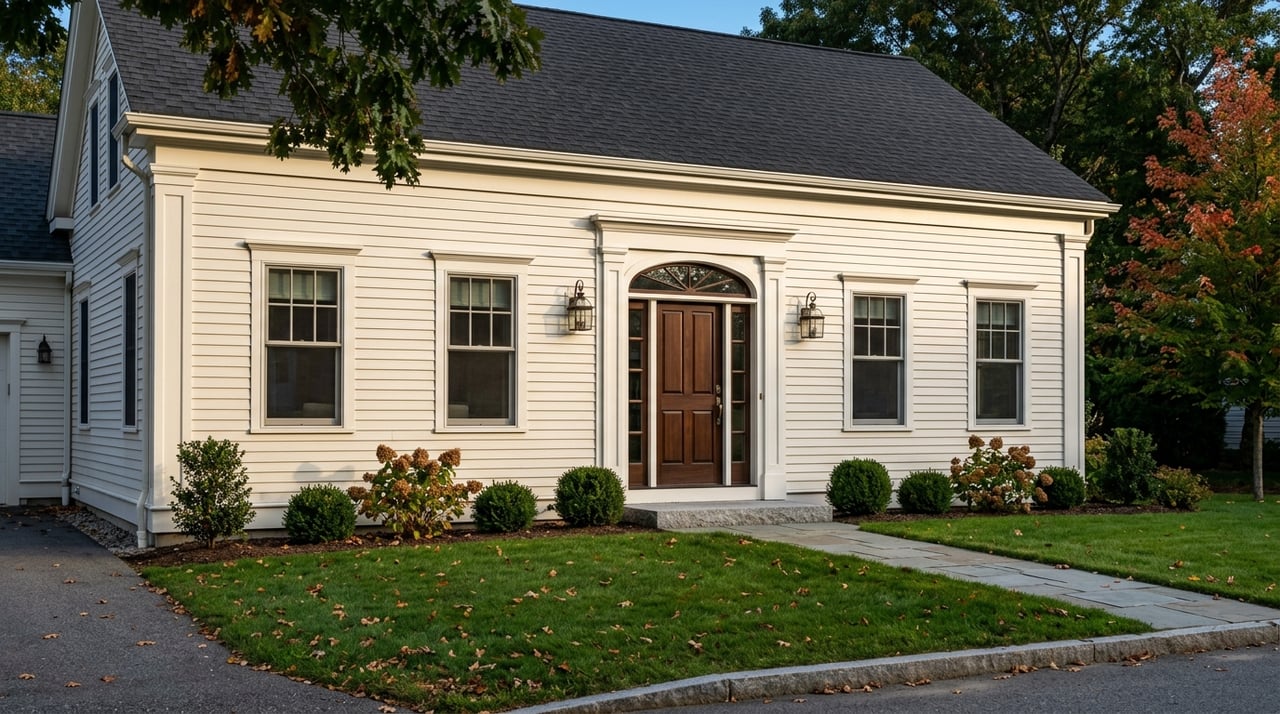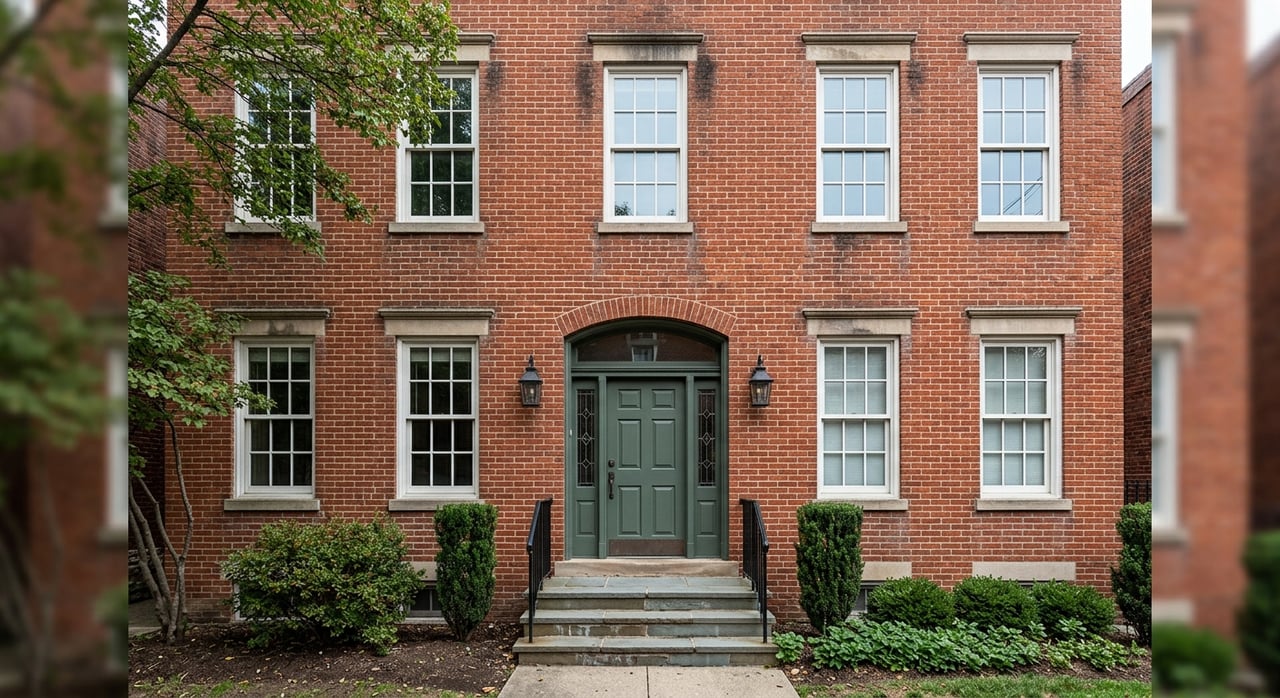
Buying a home in Derby, CT can feel straightforward at first glance. Prices often sit in a range that catches the eye of first-time buyers, downsizers, and commuters, but the details behind the listing matter just as much as the asking price. If you are thinking about making a move here, it helps to understand Derby’s size, housing mix, taxes, transit access, and property-specific due diligence before you write an offer. Let’s dive in.
Derby offers a compact Connecticut lifestyle
Derby is a small city with a distinct feel. The city describes itself as the smallest city in Connecticut, and Census QuickFacts estimates a population of 12,915 as of July 1, 2024, with just over 5 square miles of land.
That smaller footprint shapes the experience of living here. Instead of a wide suburban layout, you are looking at a more compact setting with a downtown business district, tree-lined streets, historic buildings, and neighborhoods that can change noticeably from block to block.
Derby also sits in a practical regional position. The city is located at the confluence of the Housatonic and Naugatuck Rivers and between New Haven, Bridgeport, and Waterbury, with Route 8 connecting to I-84 and I-95.
For many buyers, that means Derby can offer a balance of local convenience and regional access. Census data shows a mean commute time of 27.4 minutes, which supports its appeal for people who want a smaller-scale home base with access to nearby job centers.
Derby home prices vary by source and property type
If you start your search online, you will quickly notice that Derby pricing depends on the source. Recent market portals place the city broadly in the mid-$300,000s to around $400,000, depending on whether the figure reflects asking prices, sale prices, or estimated values.
For example, Redfin reported a March 2026 median sale price of $400,000, while Realtor.com showed a median listing price of $355,450 and Zillow showed an average home value of $330,526. The key takeaway is not one exact number. It is that you should expect a pricing band and compare each home based on condition, location, and property type.
The listing mix in Derby is also broad. Current search results have included condos, townhouses, single-family homes, and some multi-family or land results, with asking prices ranging from about $200,000 for some condos to above $500,000 for larger homes.
That variety can be a real advantage if your needs are changing. You may find an entry-level condo, a townhouse with lower exterior maintenance, or a single-family home with more space, all within the same city.
Derby property taxes deserve close attention
One of the biggest things to know before buying a home in Derby CT is that your monthly cost is not just about the mortgage. Property taxes can have a major impact on affordability.
Connecticut assesses real estate at 70% of fair market value, and Derby’s 2025-2026 real estate mill rate is 43.20. Using that formula, a rough annual tax estimate is about $10,584 on a $350,000 home and about $12,096 on a $400,000 home before any exemptions or credits.
That does not mean every property will feel the same financially. Two homes with similar asking prices can lead to very different monthly carrying costs depending on taxes, insurance, and the property’s condition.
Before you get attached to a home, ask for the current tax amount and build that number into your monthly budget. This is one of the smartest ways to avoid surprises later.
Neighborhood patterns can change block by block
Derby’s housing stock reflects its long history. The city notes that its neighborhoods developed over time from farmland and riverfront development into a compact downtown with historic buildings and tree-lined streets.
For you as a buyer, that often means more variety than you might see in a newer subdivision. Home styles, lot layouts, and street character can shift quickly from one part of Derby to another.
Local references to areas such as Derby Landing in East Derby and Birmingham on the west side of the river show how river position and side-of-town can still influence how a location feels. When you compare listings, it helps to look beyond the photos and consider the immediate surroundings, access routes, and nearby uses.
This kind of block-level variation is exactly where local guidance matters. A home that looks similar on paper may offer a very different day-to-day experience depending on where it sits.
Zoning and wetlands matter more than buyers expect
If you are considering future changes to a property, do not assume the lot will support every plan you have in mind. Derby’s zoning code includes residential, business, industrial, floodplain, and open-space districts, and the city’s zoning and wetlands division handles zoning and wetlands permits.
That matters if you are thinking about additions, accessory uses, rental possibilities, or anything involving a river-adjacent parcel. You should verify the exact zoning district and any wetlands considerations for the specific property before moving forward.
The city also points residents and buyers to GIS map tools for assessment, zoning, environmental, and planimetric data. In practical terms, this means you can and should confirm details early instead of relying on assumptions from a listing description.
Derby has useful everyday amenities
Part of Derby’s appeal is that it packs a lot into a small area. The city highlights a compact downtown, and local amenities include the Derby Greenway, which is 1.7 miles long and links three cities, two rivers, and six bridges.
You will also find open space at Osbornedale State Park and Witek Memorial Park. The Derby Veterans Community Center includes a pool, sauna, whirlpool, exercise equipment, and a gymnasium, and Griffin Hospital is another important local amenity.
These features can shape how a home works for your lifestyle. If walkability to downtown, access to trails, nearby recreation, or proximity to services matters to you, Derby offers several practical points to compare during your search.
Transit access is a real selling point
For buyers who commute or want transportation options, Derby stands out for a city of its size. The city lists Valley Transit District, CT Transit, and Metro-North under transportation services, and the Derby Train Station is within walking distance of downtown.
Metro-North operates the Waterbury Branch, which gives Derby an added layer of regional access. CTDOT also announced that construction is underway on Derby-Shelton station upgrades, with completion anticipated in spring 2028.
That is worth noting if you are buying near the station or rely on rail access. Improvements can be a positive long-term factor, but nearby construction timing and short-term impacts are still worth asking about during your home search.
Redevelopment can affect nearby properties
Derby is actively pursuing several improvement projects. According to the city, that includes downtown redevelopment work, greenway extensions, Derby-Milford Road improvements, and Sterling Opera House improvements.
For buyers, this is not automatically a positive or a negative. It simply means you should understand what may be planned near any home you are considering.
A property near one of these areas may be influenced by future construction activity, traffic adjustments, or changes in the surrounding streetscape. Asking about timing and location can help you make a more confident decision.
School assignment should be verified by address
If school assignment is part of your planning, take time to confirm it directly rather than relying on a listing. Derby Public Schools lists Derby High School, Derby Middle School, Irving School, Bradley School, RAISE Academy, and Little Raiders University.
The city also refers to neighborhood schools, which makes address-level verification especially important. School assignments can depend on the exact location of the property, so this is one more item to check early in the process.
Using neutral, factual information is the best approach here. Focus on confirming the assigned school by address and whether that matches your needs.
A smart Derby offer starts with due diligence
When you are ready to make an offer, Derby rewards buyers who do a little extra homework. Because of the city’s rivers, floodplain district, and older housing mix, property-level checks matter.
Before you submit an offer, consider this checklist:
- Verify the flood zone using FEMA flood maps
- Ask about flood insurance implications if the property is in or near a mapped flood area
- Confirm the exact current tax bill with Derby’s tax office
- Check the parcel’s zoning district and any wetlands issues
- Review the condition of the home carefully, especially if it is part of the city’s older housing stock
- Ask about nearby public improvement or redevelopment work if the property is near downtown or key corridors
This kind of preparation can help you compare homes more accurately. It can also reduce the chance of discovering important cost or use limitations after you are already emotionally invested.
What Derby may be best suited for
Based on its location, pricing range, transit access, and housing mix, Derby can be a strong option if you want a compact, commuter-friendly city with a range of property types. It may especially appeal to first-time buyers, downsizers, and buyers who want a more centralized location rather than a large-lot suburban setting.
The key is understanding what you are buying beyond the list price. In Derby, the smartest purchase often comes from balancing price, taxes, location, property condition, and future plans for the home.
If you want experienced local guidance as you compare homes in Derby and nearby New Haven County communities, connect with Jeff Gagliardo. With decades of Connecticut market experience, he can help you evaluate properties, understand the numbers, and move forward with confidence.
FAQs
What should first-time buyers know before buying a home in Derby CT?
- First-time buyers should pay close attention to total monthly cost, including property taxes, insurance, and upkeep, because Derby affordability can look different once carrying costs are added to the list price.
How much are property taxes on a home in Derby CT?
- Using Derby’s 2025-2026 mill rate of 43.20 and Connecticut’s 70% assessment method, rough annual taxes are about $10,584 on a $350,000 home and about $12,096 on a $400,000 home before exemptions or credits.
Is Derby CT a good place for commuters buying a home?
- Derby offers access to Route 8, connections to I-84 and I-95, local transit options, and Metro-North service on the Waterbury Branch, which can make it a practical choice for many commuters.
What types of homes can you buy in Derby CT?
- Derby listings commonly include condos, townhouses, and single-family homes, with pricing that can range from around $200,000 for some condos to above $500,000 for larger homes.
Why should buyers check flood zones before buying in Derby CT?
- Derby includes river-adjacent areas and a floodplain district in its zoning code, so checking flood maps and possible insurance implications is an important part of evaluating a specific property.
How do you verify school assignment for a home in Derby CT?
- You should confirm school assignment by the property address through Derby Public Schools or the appropriate local office rather than relying only on a real estate listing.