If you want top-dollar results in Monroe, smart preparation matters more than last-minute fixes. Even in a seller-leaning market, buyers compare homes closely, and they notice condition, presentation, and pricing right away. The good news is that you do not need a massive remodel to make a strong impression. With the right prep plan, you can launch with confidence and give your home its best chance to sell smoothly. Let’s dive in.
Why preparation matters in Monroe CT
Monroe's market has continued to favor sellers, but that does not mean every home sells the same way. March 2026 data showed 47 homes for sale, a median listing price of $679,000, a median sold price of $590,000, a 25-day median time on market, and a 100% sale-to-list ratio. Zillow also reported an average Monroe home value of $626,281, up 6.9% year over year, with homes going pending in about 33 days.
That tells you something important. Buyers are active, but they are still price-sensitive and selective. Compared with Connecticut overall, Monroe homes sit in a higher price segment and are moving faster than the statewide median days on market of 48.
In practical terms, this is a market where a clean, well-presented, correctly priced home can stand out quickly. A home that feels unfinished, overpriced, or poorly marketed may still get attention, but often with more hesitation and less urgency. That is why your preparation before going live can shape the entire sale.
Focus on updates that buyers notice
For most Monroe sellers, smaller improvements offer better value than major renovations. Local seller guidance from Realtor.com points to cosmetic updates like paint, fixtures, and landscaping as the kinds of changes that can help. Large remodels may broaden appeal, but they do not always return their full cost.
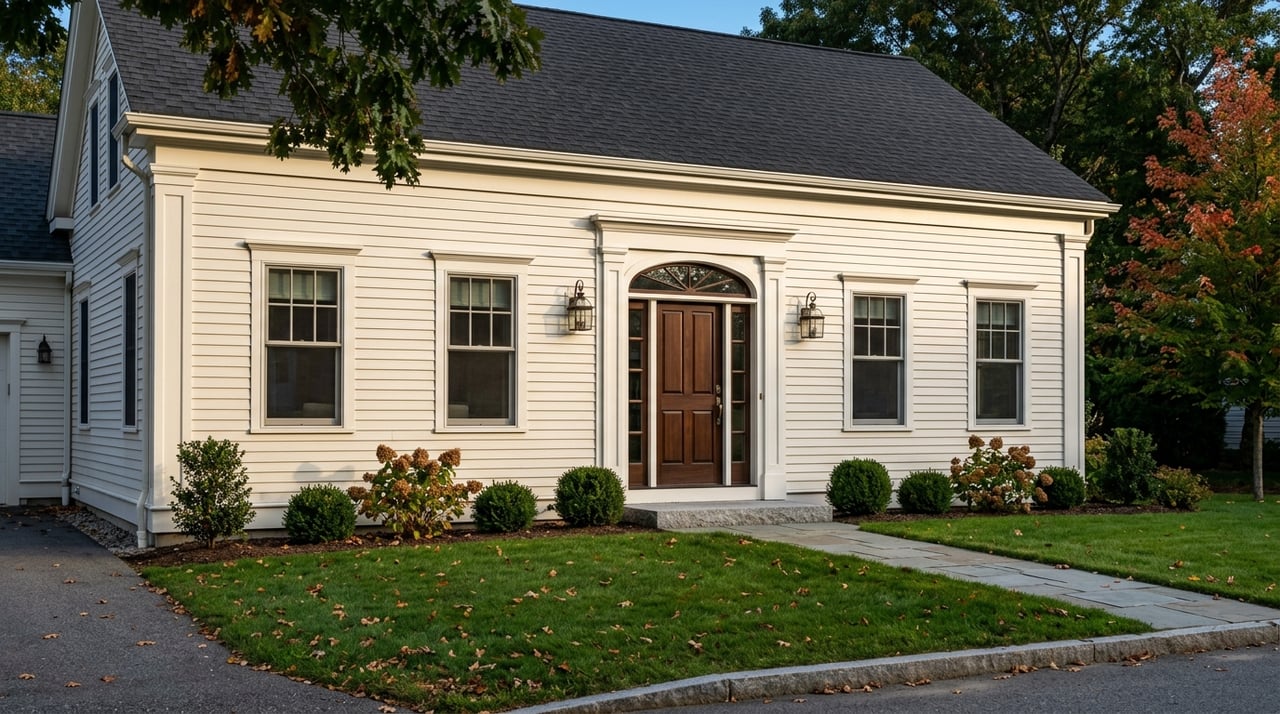
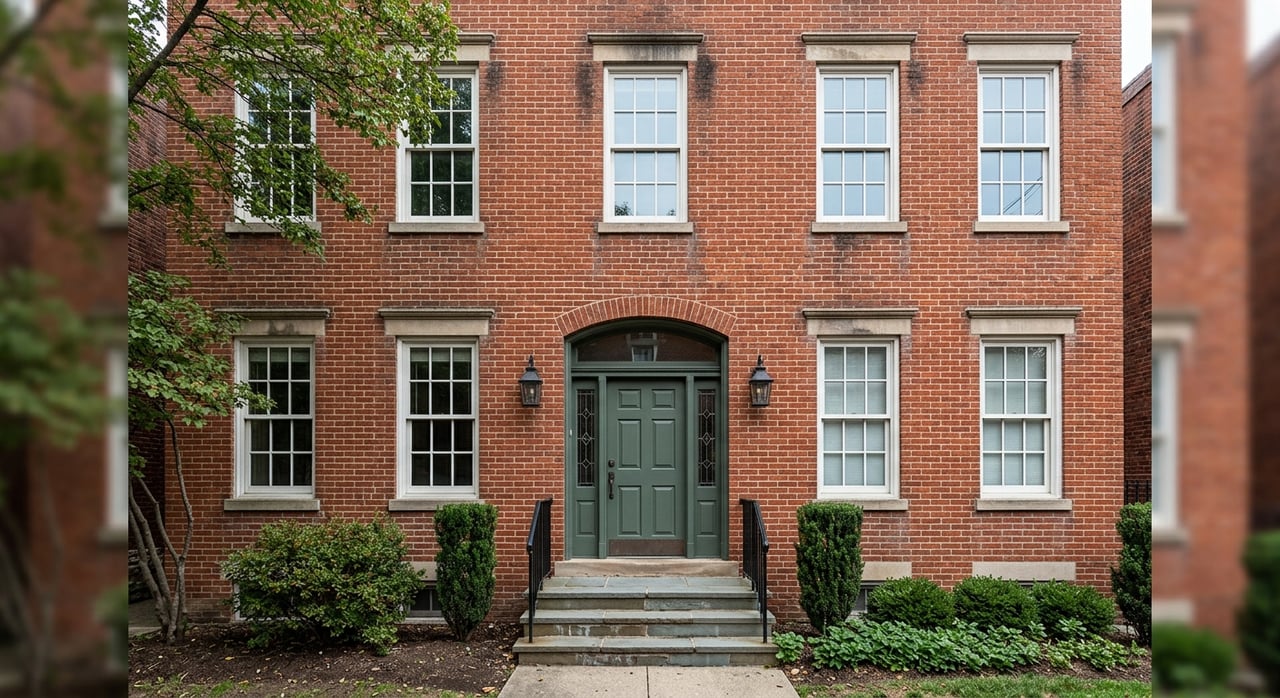
If you are deciding where to spend your time and budget, start with the basics buyers see first. Fresh paint in neutral tones, updated light fixtures, clean hardware, and simple curb appeal work can make your home feel more current and move-in ready. Those changes often improve first impressions without overcomplicating your sale.
Visible maintenance also matters. Because Monroe has a very high owner-occupied housing rate, buyers may pay close attention to whether a home looks well cared for over time. A loose railing, worn caulk line, stained ceiling spot, or overgrown front entry may seem minor to you, but together they can affect how buyers judge value.
Smart prep projects to prioritize
- Fresh interior paint where walls look tired or overly personalized
- Updated fixtures or hardware in kitchens and baths
- Basic landscaping and front-entry cleanup
- Decluttering closets, counters, and storage areas
- Touch-up repairs for visible wear and tear
- Deep cleaning before photos and showings
Stage the rooms that matter most
Staging is one of the simplest ways to help buyers connect with your home. According to NAR's 2025 staging research, 29% of agents said staged homes received a 1% to 10% higher dollar offer, and 49% of sellers' agents said staging reduced time on market. Just as important, 83% of buyers' agents said staging makes it easier for buyers to picture the property as a future home.
You do not have to stage every inch of the house to see a benefit. The most commonly staged rooms were the living room, primary bedroom, dining room, and kitchen. If your time or budget is limited, those are strong places to start.
Good staging helps your rooms feel open, functional, and easy to understand. That may mean removing extra furniture, simplifying decor, improving lighting, and creating a clean layout that shows how each space can be used. The goal is not to make your home look generic. It is to make it easier for buyers to imagine themselves living there.
Rooms to stage first
Living room
Keep seating simple and balanced so the room feels comfortable and easy to walk through. Clear away excess decor and personal items. If the room gets natural light, make sure window treatments help show it off.
Primary bedroom
A calm, uncluttered bedroom can create a strong emotional impression. Use clean bedding, clear surfaces, and minimal accessories. Buyers tend to respond well to rooms that feel restful and spacious.
Dining room
Show the function of the room clearly, even if you use it for something else day to day. A simple table setup can help define the space. This is especially useful if buyers are comparing homes with similar square footage.
Kitchen
Clear countertops as much as possible and remove visual distractions from the refrigerator and sink area. Small updates like new cabinet hardware or lighting can help if the kitchen feels dated. Cleanliness matters here more than almost anywhere else.
Professional photography is not optional
Most buyers begin their search online, so your home's first showing usually happens on a screen. NAR's 2025 buyer and seller highlights found that all buyers used the internet in their search. Buyers also viewed a median of seven homes, including two homes they saw only online.
That means your photos need to do real work. Strong photography can help buyers decide whether to schedule a showing, while weak photos can cause them to scroll past your listing. In a market like Monroe, where homes move relatively quickly, that early attention matters.
The best results usually come from combining staging and photography, not treating them as separate steps. A professionally prepared room tends to photograph better, and better photos create stronger online interest. If you are 6 to 12 months from selling, this is one reason to complete repairs, declutter, and stage before you list, not after your first week on market.
Price correctly from day one
In a seller's market, it can be tempting to test the high end and see what happens. In Monroe, the data suggest a more disciplined approach. Local market figures show homes selling for about asking price on average, which points to the value of accurate pricing rather than aggressive overpricing.
This matters even more in today's payment-sensitive environment. Connecticut's February 2026 update showed home sales down 8.1% year over year, new listings down 10.7%, and a 30-year fixed mortgage rate averaging 6.38% for the week ending March 26, 2026. Buyers may still be motivated, but monthly payment pressure can limit how far they are willing to stretch.
A strong pricing strategy should reflect recent Monroe comparable sales, current competition, condition, and how your home shows online. The goal is to attract serious buyers quickly and avoid sitting long enough for the market to question your price. Early momentum is often one of the biggest advantages a prepared seller can create.
Gather Connecticut disclosures early
Seller preparation is not only about looks and pricing. Paperwork matters too, and in Connecticut it is smart to start early. If you gather records and required forms before listing, you can reduce stress once an offer comes in.
Connecticut's Residential Property Condition Report must be delivered before the buyer signs a binder or contract on most residential property with four units or fewer, including condos and co-ops. If the report is not furnished, the form states that the seller owes a $500 credit at closing. The report asks about issues such as foundation problems, basement seepage, sump pump problems, lead paint, asbestos, radon, and flood risk.
That makes it wise to collect repair invoices, warranties, service records, and any past remediation documents in advance. When sellers do this early, they are often better prepared to answer buyer questions clearly and consistently.
Special lead disclosure for older homes
If your Monroe home was built before 1978, Connecticut requires sellers to disclose known lead-based paint or lead hazards. The state also requires sellers to retain the disclosure and certification for at least three years. Buyers must be given a 10-day period to inspect for lead once under contract, unless that right is waived.
Foundation-related situations
Monroe appears on the Capitol Region Council of Governments list of towns affected or potentially affected by crumbling foundations. Connecticut's revised Residential Foundation Condition Report, effective July 1, 2025, applies in certain special transfer situations, including some properties acquired through foreclosure, deed in lieu of foreclosure, or by a political subdivision. If your sale falls into a distressed or unusual category, it is important to check this carefully before listing.
Understand local tax details before you sell
Your net proceeds depend on more than the sale price. Town and state taxes can affect both your closing numbers and how buyers evaluate affordability. Monroe's current FY 2025-2026 mill rate is 28.67, and town budget materials list a projected FY 2026-2027 rate of 29.88.
For conveyance taxes, Connecticut imposes a 0.75% state tax plus a 0.25% municipal tax on most residential sales up to $800,000, with higher rates above that threshold. Monroe's land records information confirms the town conveyance tax at 0.25%. Monroe also states that there are no district, fire, sewer, or water taxes.
Knowing these numbers early can help you estimate proceeds more accurately and avoid surprises as you prepare to move. It also helps you think clearly about timing, especially if you are coordinating a purchase after your sale.
A practical Monroe seller checklist
If you want a simple roadmap, focus on the steps that improve presentation, reduce buyer concerns, and support a smooth launch.
Before listing your Monroe home
- Repair visible issues buyers will notice right away
- Refresh paint, fixtures, and curb appeal where needed
- Declutter and deep clean the entire home
- Stage the living room, primary bedroom, dining room, and kitchen
- Schedule professional listing photography
- Review recent Monroe comparable sales for pricing
- Gather disclosure forms and repair records early
- Estimate conveyance taxes and your likely net proceeds
In many cases, the best move is not doing more. It is doing the right things in the right order. A polished launch can help your home feel more competitive from the first day it hits the market.
Selling in Monroe is still a strong opportunity, but strong markets reward preparation. When your home is clean, well-staged, accurately priced, and backed by complete paperwork, you put yourself in a better position to attract serious buyers and move forward with fewer surprises. If you are thinking about selling and want a steady, local strategy tailored to your home, connect with Jeff Gagliardo.
FAQs
What home improvements matter most before selling a house in Monroe CT?
- In Monroe, smaller cosmetic improvements often make the most sense, including fresh paint, fixture updates, landscaping, decluttering, and visible maintenance repairs.
Should sellers stage a home before listing in Monroe CT?
- Yes. Staging can help buyers picture the home more easily, and NAR's 2025 research found that it can support stronger offers and reduced time on market.
Which rooms should Monroe CT sellers stage first?
- The best rooms to prioritize are usually the living room, primary bedroom, dining room, and kitchen.
How fast are homes selling in Monroe CT?
- March 2026 market data showed a median of 25 days on market in Monroe, while Zillow reported homes going pending in about 33 days.
What disclosures do Connecticut sellers need before selling a Monroe home?
- Most sellers need to provide the Connecticut Residential Property Condition Report before the buyer signs a binder or contract, and older homes may also require lead-related disclosure.
What transfer taxes apply when selling a home in Monroe CT?
- On most residential sales up to $800,000, Connecticut applies a 0.75% state conveyance tax and Monroe applies a 0.25% municipal conveyance tax, with higher state rates above that threshold.
Why is day-one pricing important for a Monroe CT home sale?
- Monroe homes have been selling around asking price on average, so accurate pricing from the start can help attract serious buyers quickly and avoid losing momentum.