Looking for a quieter corner of Fairfield County without losing access to parks, schools, and commuter routes? If you want a suburban feel with room to breathe and practical conveniences, Monroe, CT might be on your list. In this guide, you will learn what life looks like in Monroe, from housing and schools to parks, commute options, and day-to-day services. You will also get practical next steps and resources to help you decide if Monroe is the right fit. Let’s dive in.
Monroe at a glance
Monroe sits inland in Fairfield County and offers a suburban, small-town feel. Neighborhoods are mostly single-family homes on established streets, with a calmer pace than many coastal towns in the county. You will find a blend of residential areas, local services, and plenty of green space across town.
The housing stock is primarily detached single-family homes, with some newer subdivisions in select areas. Multi-family and rental options exist but tend to be more limited than in larger cities. If you are comparing towns, it helps to look closely at current inventory, list-to-sale trends, and days on market. For an overview of regional market conditions, you can review statewide insights from Connecticut REALTORS and recent demographics on U.S. Census QuickFacts.
Housing and neighborhoods
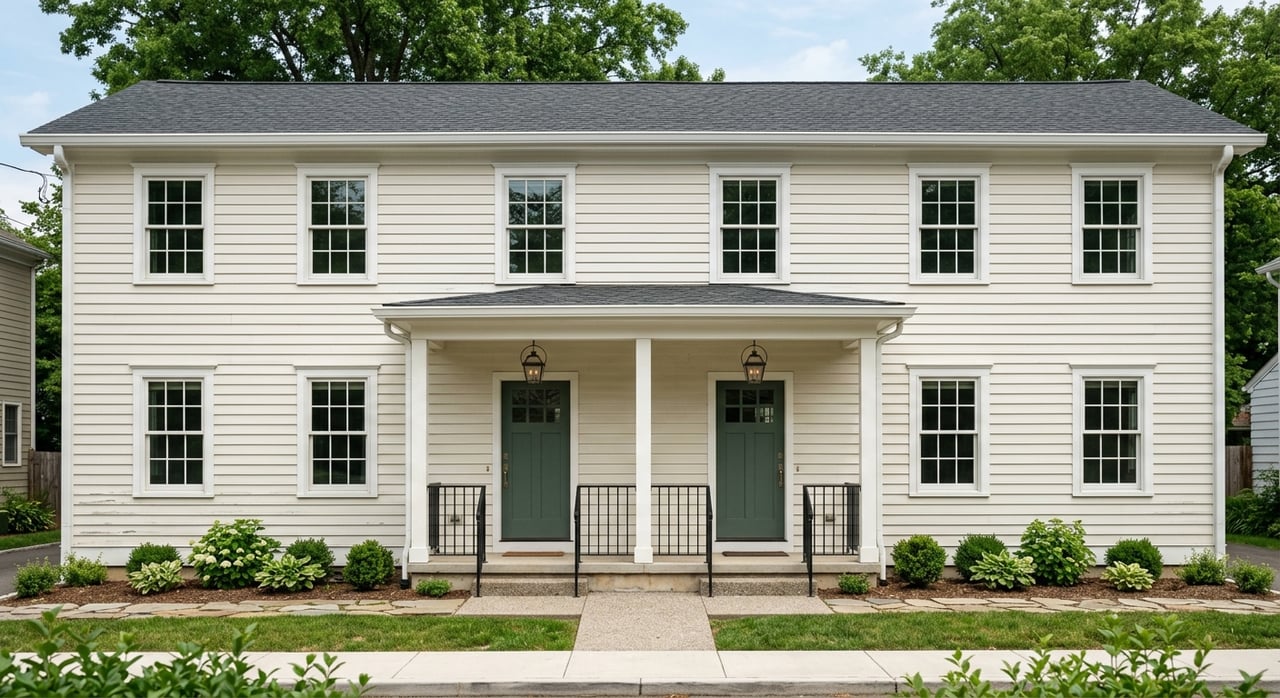
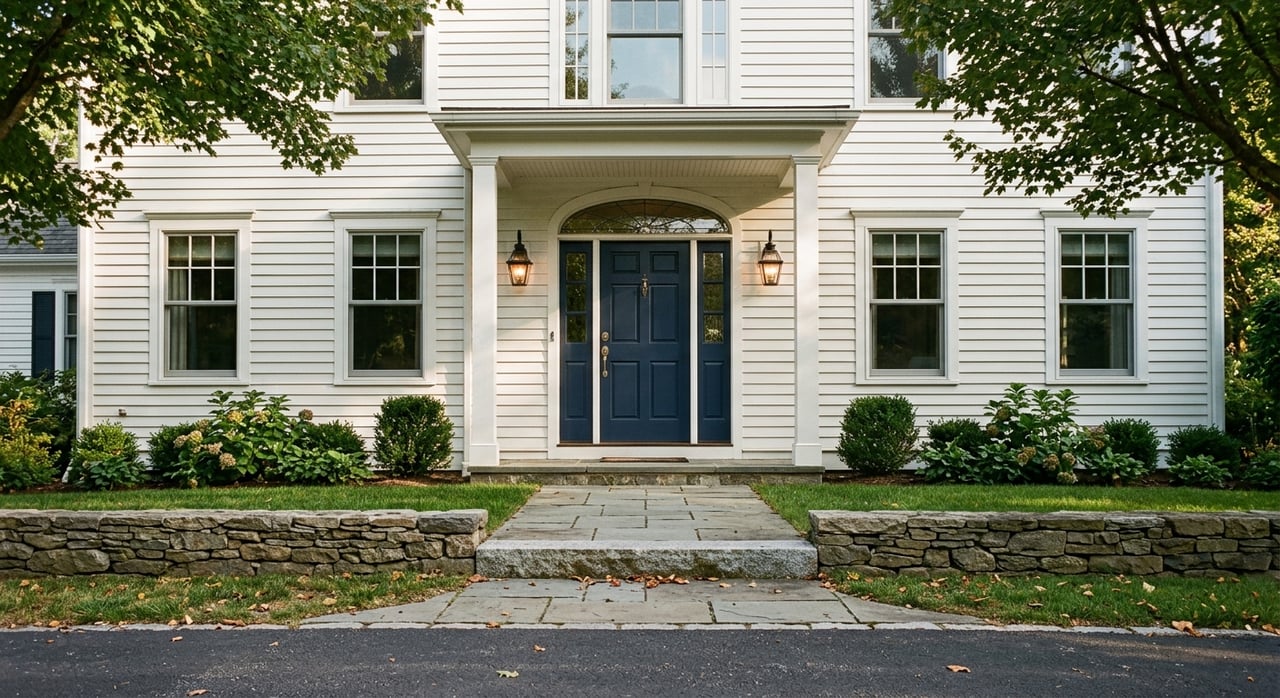
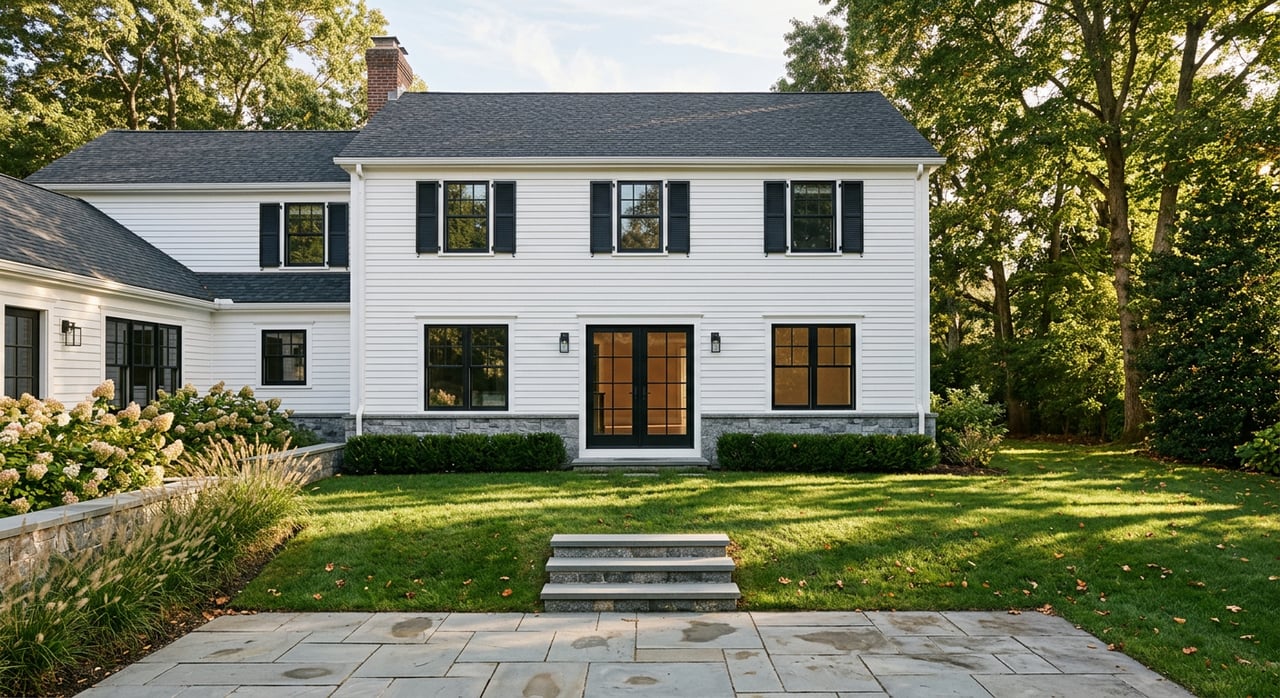
Most buyers look to Monroe for classic suburban living. You will see colonials, capes, ranches, and some contemporary homes across a range of price points. Condominiums and townhouses appear in smaller pockets, and rental communities are not as common as in larger hubs. If you want a yard, a garage, and neighborhood streets for walking, Monroe often checks those boxes.
Before you tour homes, dig into current local data. Focus on:
- Active listings and months of supply
- Typical days on market and price trends over the last 6 to 12 months
- Property condition and age across neighborhoods
- Owner-occupied vs renter-occupied mix
For the most accurate figures, rely on your agent’s MLS data and recent market reports. Statewide and regional context from Connecticut REALTORS can help you compare trends across Fairfield County.
Schools and learning
Monroe is served by its local public school district. If schools are part of your decision, review the most recent district and school “report cards” and profiles. The Connecticut State Department of Education publishes annual performance data, graduation rates, program information, and enrollment trends. These reports update each year, so check the latest release.
Beyond the neighborhood schools, families often explore regional options such as magnet programs, vocational-technical pathways, and nearby private or parochial schools. Use state resources from the Connecticut State Department of Education to learn about specialized programs and admissions. For practical planning, confirm bus routes, calendars, and before or after care with the district directly.
Parks and outdoors
Access to green space is a big part of daily life in Monroe. The town features community parks, trails, and seasonal programs that bring people outside through much of the year. Wolfe Park is widely recognized as a central gathering place, and Great Hollow Lake is a local water feature used for passive recreation. For details on permitted activities, seasonal guidelines, and safety, consult the Connecticut Department of Energy and Environmental Protection and the town’s Parks & Recreation resources.
If you enjoy hiking, walking, fishing, or youth sports, you will find options in and around town. Seasonal programming is common, with youth leagues, adult recreation, and summer activities offered through municipal channels. Always check current town notices for parking rules, permit needs, and any changes to access.
Commuting and access
Monroe relies on a network of local and state roads to reach major employment centers across Fairfield County and beyond. The town does not appear on the current Metro-North line maps, so most rail commuters drive to nearby stations in surrounding towns. You can view rail options on the Metro-North service map to plan your preferred route.
Because driving is common here, it helps to test your commute during the times you expect to travel. Morning and evening peaks can vary by route and by season. Use real-time tools to compare options. For updates on road projects, park-and-ride information, and statewide transportation resources, visit the Connecticut Department of Transportation.
Monroe residents also have access to regional airports in Connecticut and New York for domestic and international travel. If air travel matters to your routine, check airline and airport resources before you decide on a neighborhood.
Daily life and services
You will find everyday conveniences across town, including grocery stores, pharmacies, fitness options, and local restaurants. For big-box retail and broader dining choices, many residents also shop in larger commercial areas within Fairfield County. Health care access includes regional hospitals, urgent care centers, and specialists throughout the area. To locate providers and hospital resources, use the Connecticut Department of Public Health.
Monroe maintains local public safety services. If you want data on crime trends, review official summaries through the state’s public safety channels, including the Connecticut Department of Emergency Services and Public Protection. For community life, look for town events, volunteer opportunities, and parent-teacher organizations that help bring neighbors together throughout the year.
Who Monroe fits
- First-time buyers: If you want a suburban home with room to grow and access to parks and schools, Monroe can be a practical starting point. Inventory for smaller single-family homes and select condos appears in pockets.
- Move-up buyers: If you are looking for more space indoors and out, Monroe’s single-family neighborhoods often offer larger lots and a quieter setting.
- Downsizers and relocators: If you are aiming for low-maintenance living, look for townhomes or condos that fit your next chapter. Options exist, though they are more limited than in larger towns.
The best way to know if Monroe fits your lifestyle is to tour neighborhoods at different times of day, sample nearby parks, and test your commute during your preferred schedule.
Planning your move
Use these steps to move from research to action:
- Clarify your budget and must-haves. Define home type, size, and features. Build in a buffer for taxes, utilities, and maintenance.
- Get a local market read. Ask your agent to review current MLS data on supply, pricing, and days on market by neighborhood.
- Explore schools and programs. Review the latest report cards at the Connecticut State Department of Education and speak with the district about logistics and programs.
- Walk the parks and trails. Confirm activities and guidelines with the Connecticut Department of Energy and Environmental Protection and town Parks & Rec.
- Test your commute. Compare driving routes and rail options using the Metro-North service map and updates from the Connecticut Department of Transportation.
- Line up support. Coordinate inspections, staging, and timelines so your transition feels calm and predictable.
Work with a local expert
Buying or selling in Monroe works best with a steady guide who knows the neighborhoods and the data that matters. With nearly 40 years of local market experience, strong negotiation skills, and staging-led listing strategies, Jeff Gagliardo helps you move with confidence. Whether you are buying your first home, moving up, relocating, or downsizing, you get client-first service backed by modern tools and proven marketing.
Ready to take the next step? Reach out to Jeff Gagliardo for neighborhood-level guidance, a clear plan, and professional presentation from search to close.
FAQs
What types of homes are common in Monroe CT?
- Monroe’s housing is primarily detached single-family homes, with some condos and townhomes in smaller pockets and a more limited supply of multi-family or rental communities.
Does Monroe have a train station for NYC commuters?
- Monroe is not listed on the current Metro-North map; most commuters drive to stations in nearby towns and connect from there. Check the Metro-North service map.
How can I evaluate Monroe public schools?
- Review the most recent district and school report cards from the Connecticut State Department of Education and confirm program details with the district.
What outdoor activities are available in Monroe CT?
- Residents use town parks, trails, and local water features for passive recreation and seasonal programs. For permitted activities and guidelines, see the Connecticut Department of Energy and Environmental Protection.
Are rentals easy to find in Monroe CT?
- Rental options exist but are typically smaller in number than in larger cities. Ask your agent to search the MLS for current availability and to review local market trends.
Where can I find official information on safety in Monroe CT?
- For statewide public safety resources and official data, visit the Connecticut Department of Emergency Services and Public Protection and your local police department communications.