Outgrowing your current place and craving more space, a quieter street, and an easier routine? If you are eyeing single-family homes in Shelton, you are looking in a city known for stable homeownership, practical commutes, and a wide mix of house styles and lot sizes. In this guide, you will learn what to expect from Shelton’s housing stock, how lots and zoning affect your options, where different neighborhood patterns shine, what to check with schools and commutes, and smart shopping tips for move-up families. Let’s dive in.
Why Shelton works for growing families
Shelton offers the suburban breathing room many families want. The city’s population is about 42,805, with an owner-occupied rate near 76.5% and a median value of owner-occupied homes around $452,600. The average commute is about 30.3 minutes, which reflects a large share of residents who drive. You can confirm these figures and more on U.S. Census QuickFacts for Shelton.
What this means for you: you will find a stable ownership base, attainable mid-market single-family options, and daily routines shaped by car travel, with rail access available for certain commutes.
What Shelton single-family homes look like
Typical age and style
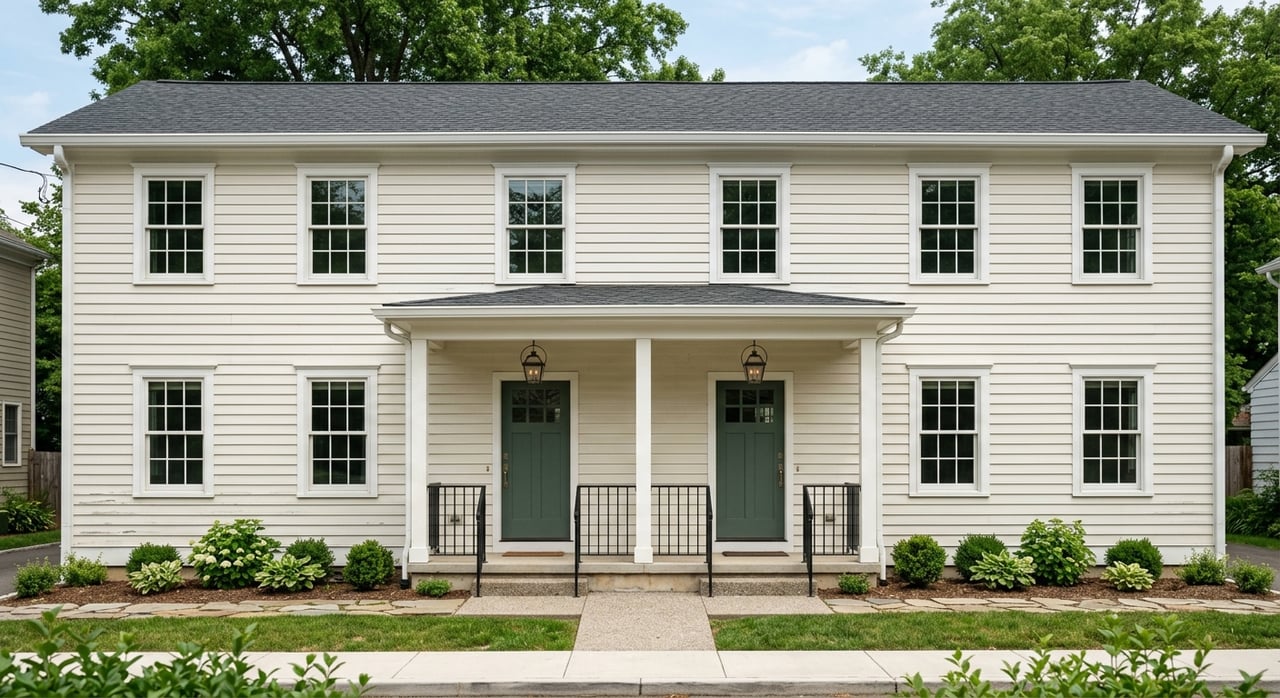
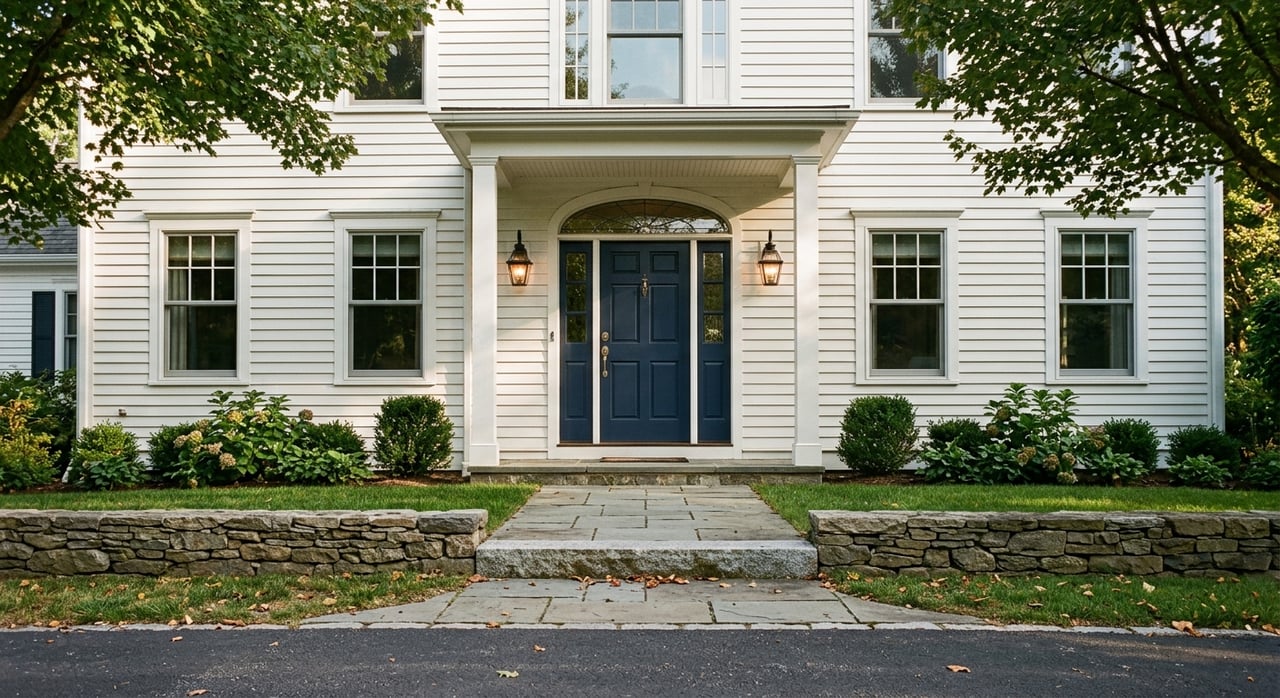
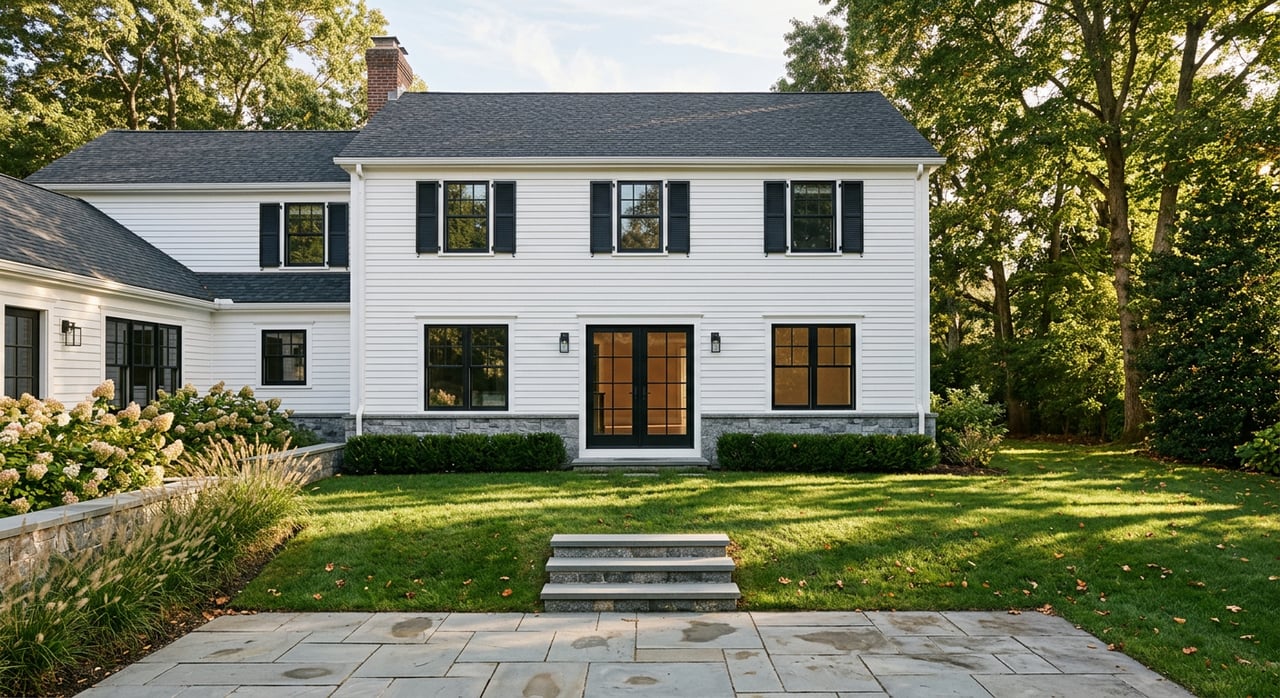
Shelton’s single-family stock leans mid-20th century, especially 1960s to 1970s construction. That gives you a familiar mix of Colonial and Colonial-revival homes, Cape Cods, ranches, and split-levels. You will also see older houses near the Housatonic River and downtown, reflecting the city’s mill-era roots. For historical context on the area and its development, see Britannica’s overview of Shelton.
Renovation vs. turnkey
- Older mid-century homes often sit on larger lots in established neighborhoods, but you should budget for updates like windows, insulation, HVAC, and electrical.
- Newer builds or fully renovated homes reduce near-term upgrade costs, though they may come at a premium.
- Always pair an offer with a thorough home inspection and, if needed, contractor bids for likely improvements so you know your total cost, not just your purchase price.
Lot sizes and what zoning allows
Shelton’s zoning code sets minimum lot sizes by district, which guides what can be built or added on your property. In the lower-density R-1A and R-1 districts, the minimum lot size for fee-simple lots is generally 20,000 square feet. In R-3 districts with public utilities, minima can be as low as 10,000 square feet. Review the official standards in the City of Shelton Zoning Regulations.
What to do as a buyer:
- Verify the zoning district for any address using the city’s GIS map gallery.
- Confirm whether the property connects to municipal sewer and water, or relies on private systems. This affects additions, pools, and accessory structures.
- Check setbacks and any overlay rules before planning outbuildings or expansions.
Neighborhood patterns to explore
Neighborhood names in Shelton are often informal, so always confirm specifics by address. Here is how families often compare areas:
- Downtown / Riverview / CBD. Expect smaller lots, walkable pockets, and close proximity to shops and the Derby–Shelton rail station. The city’s planning documents describe a Central Business District overlay that supports more mixed-use and infill. If you value walkability and short hops to errands, this can fit.
- Huntington area (Huntington Village). A popular village center feel with nearby parks and schools. Housing is a blend of older and mid-century homes. This can work well if you want a neighborhood center and shorter drives to activities.
- Long Hill and the outskirts. More suburban and semi-rural settings, with larger lots and several newer subdivisions. If yard space is high on your list, start here.
- Other residential pockets. Areas often described in listings, like Trap Falls or Rolling Ridge, offer a range of house ages and lot sizes. Always verify the exact school assignment and any HOA or neighborhood-specific rules for the address you are considering.
Schools and programs to research
Shelton Public Schools operates the city’s K–12 system, including elementary schools such as Booth Hill, Elizabeth Shelton, Long Hill, Mohegan, and Sunnyside, plus Perry Hill (upper elementary), Shelton Intermediate, and Shelton High School. For current attendance boundaries, transportation, registration, and calendars, go to the Shelton Public Schools district website.
At the high school level, families often ask about advanced coursework and college prep. Shelton High lists AP offerings and other post-secondary preparation resources on its site. Review programs and guidance on the Shelton High School website.
Parents also check review sites to gather perspectives. You can browse school-level reviews on GreatSchools’ Shelton pages. For official performance metrics, compare recent report cards from the Connecticut State Department of Education. The best approach is to confirm boundaries, visit schools, and speak with administrators or PTO/PTA leaders to understand current programs and fit.
Commuting and transit tradeoffs
If you plan to commute by rail, the Derby–Shelton station sits on Metro-North’s Waterbury Branch. Service typically involves a transfer in Bridgeport to reach the New Haven Line, and total travel times to Grand Central have ranged around 110 to 115 minutes or more depending on schedules and transfers. You can read about the branch and planning context in Derby’s station planning report.
Many residents drive. Route 8 runs through Shelton and links to I-95 and the Merritt Parkway for coastal or regional commutes. The city’s average commute time of 30.3 minutes highlights the strong role of driving for local workers. If rail reliability is essential, some buyers choose to live closer to New Haven Line stations in adjacent towns or plan for station parking and transfer time in their daily math.
How Shelton compares to nearby towns
- Monroe. More exurban and rural in feel with larger lots and lower-density neighborhoods. Great if you want privacy and yard size, but commutes can be longer and transit options more limited.
- Trumbull. An established inner-ring suburb with many amenities and strong community services, plus solid highway access to coastal job centers. Often compares as a higher-priced, higher-amenity alternative.
- Stratford. Coastal access and faster reach to I-95 and New Haven Line stations. Housing types can include more coastal and smaller-lot neighborhoods in places. A good fit if shoreline access or coastal commuting takes priority.
Smart home-shopping checklist for families
Use this quick plan to align your search with your day-to-day needs:
- Define your minimum lot size, then confirm zoning, setbacks, and sewer vs. septic for each address.
- Decide on tradeoffs between older homes on larger lots and newer homes with fewer near-term upgrades.
- Map your daily routine: school drop-off, after-school activities, grocery runs, parks, and your commute.
- If rail matters, compare Derby–Shelton schedules, total transfer times, and station parking to driving.
- Verify attendance boundaries, bus eligibility, bell schedules, and after-school program options with the district.
- Order a home inspection and obtain contractor estimates for likely mid-century upgrades before finalizing your offer.
Where value often lies in Shelton
- Larger yards and family-friendly layouts often appear in Long Hill or other R-1 areas. Confirm required minimums and setbacks in the zoning regulations before planning additions or outbuildings.
- For shorter school runs and day-to-day convenience, target homes near Huntington Village or close to the Shelton Intermediate and Perry Hill cluster. Always confirm specific attendance boundaries with the district.
- If you need NYC rail, weigh Derby–Shelton’s Waterbury Branch transfer times against driving to a New Haven Line station. Include parking and transfer wait time in your calculation.
- Build a true total-cost comparison: purchase price plus near-term upgrades for mid-century homes versus the premium for move-in-ready houses.
Work with a local advisor
Buying a single-family home for a growing family is a big step. You deserve an advocate who knows Shelton’s neighborhoods, understands zoning and commute tradeoffs, and can guide you through inspections and negotiations. With nearly 40 years of local experience and a client-first approach, Jeff Gagliardo helps you compare homes street by street, weigh school and commute details, and confidently secure the right fit for your family.
FAQs
What types of single-family homes are common in Shelton, CT?
- You will see many Colonials, Cape Cods, ranches, and split-levels, with a large share built in the 1960s–1970s. Older homes cluster closer to downtown and the river corridor.
How big are lots, and what can I add later?
- Zoning minimums vary by district. R-1A and R-1 often require about 20,000 square feet, while R-3 can allow lots around 10,000 square feet with public utilities. Always confirm setbacks and utilities in the city’s zoning regulations and GIS maps.
How does commuting to NYC from Shelton work?
- The Derby–Shelton station on the Waterbury Branch connects to the New Haven Line via transfer in Bridgeport. Total trips to Grand Central can take roughly 110–115+ minutes depending on schedules. Many residents drive via Route 8 for regional commutes.
Which Shelton neighborhoods fit yard space vs. walkability?
- For larger lots and lower density, look in Long Hill and the outskirts. For walkable pockets with quick errands and closer proximity to the station, consider Downtown/Riverview and the CBD area. Huntington offers a village-center feel that many families like.
What should I verify about schools before buying?
- Check the official attendance boundary for your address, bus eligibility, bell schedules, after-school options, and current programs. Visit schools and review district and state report cards alongside parent reviews.
What is the median value of owner-occupied homes in Shelton?
- According to U.S. Census QuickFacts, the median value is about $452,600. See the latest figures on Shelton’s QuickFacts page.