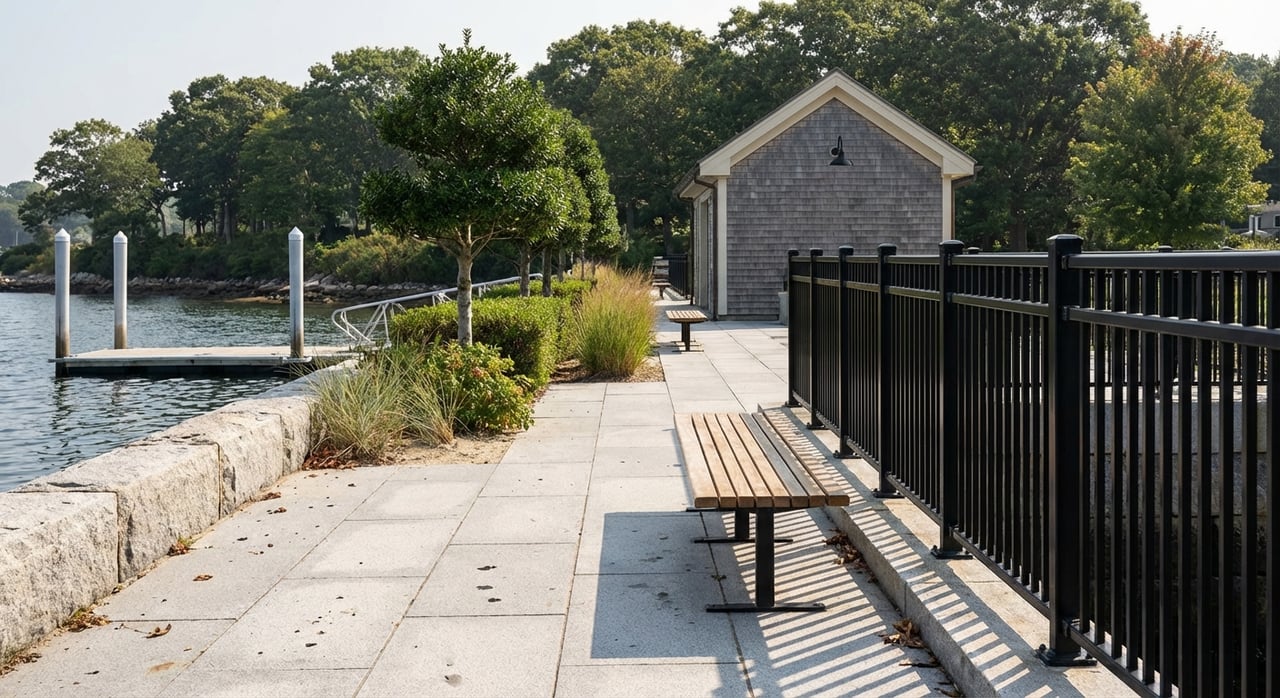
Salt air in the morning, a harbor walk at lunch, and a sunset over the Sound after dinner. If that sounds like your ideal day, Norwalk offers a coastal lifestyle with real depth, not just a summer postcard. You get beaches, island views, a working harbor, and a vibrant dining scene, plus practical perks like rail access to NYC. In this guide, you’ll learn how life unfolds on Norwalk’s shoreline, from beaches and marinas to SoNo’s culture and the local housing picture. Let’s dive in.
Why Norwalk’s coast stands out
Located on Long Island Sound, Norwalk blends everyday waterfront access with a lively urban core. The city counted 91,184 residents in the 2020 Census, with a 2024 estimate around 93,661, which gives you a mid‑sized community with big‑city conveniences nearby. You can spend a morning at the beach, then head to South Norwalk for lunch, shopping, or the Maritime Aquarium.
The shoreline curves around a wide harbor with views of small islands that sit just offshore. That geography shapes daily life here. It means more public beach access, more marinas, and more reasons to be on or near the water.
Beaches, parks, and island time
Calf Pasture and Shady Beach
Calf Pasture Beach and neighboring Shady Beach are Norwalk’s signature public shore parks. You’ll find sand beaches, a skate park, playgrounds, athletic fields, seasonal facilities, and city‑managed programs. The city also runs parking and beach pass systems that vary by season, so it’s smart to check current details on the city’s page for Calf Pasture and Shady Beach.
In summer, these beaches host community events and become a hub for picnics, paddleboarding, and evening strolls. In the shoulder seasons, the parks downshift to a quieter pace, perfect for a brisk walk with harbor views.
Island adventures close to shore
A small cluster of islands off Norwalk’s coast creates a natural playground for boaters and kayakers. Seasonal ferry and cruise options run to select islands, and private boaters often anchor out for day trips. Access can vary by season and operator, so plan ahead if an island picnic is on your list.
Boating culture and marinas
Norwalk Cove Marina and more
If you love being on the water, Norwalk makes it convenient. The marina network supports everything from day sailors to cruising boats. Norwalk Cove Marina offers hundreds of slips, fuel, basic services, and seasonal events, and you’ll find additional marinas and yacht or sailing clubs around the harbor. Junior sailing programs and regattas are a common sight once the weather warms up.
This infrastructure supports a full lifestyle, not just a boat slip. You can launch a weekend cruise, zip across the harbor to dine, or keep a kayak at the beach for evening paddles.
SoNo: urban energy by the water
Historic blocks, new life
South Norwalk, known as SoNo, is the historic waterfront neighborhood that gives Norwalk its city energy. In recent decades, SoNo has added restaurants, bars, galleries, higher‑density housing, and a modern mall, the SoNo Collection, which opened in 2019. The district’s core streets, including Washington Street, are part of a National Historic District, and the area sits within an easy walk of South Norwalk station. For a concise history and redevelopment overview, see the South Norwalk page.
Dining, shopping, and nightlife
You’ll find casual seafood spots, full‑service restaurants, coffee shops, and late‑night options all within a compact, walkable grid. New concepts rotate in often, which keeps the scene fresh. It is easy to pair dinner with a waterfront stroll or a quick visit to the marina area.
Maritime Aquarium and signature events
The waterfront Maritime Aquarium at Norwalk anchors the neighborhood year‑round with living Long Island Sound exhibits, education programs, and special events. It is a favorite for both residents and day‑trippers. Late summer brings another major draw: the Norwalk Seaport Association’s Oyster Festival at Veterans Memorial Park, a large regional event that celebrates Norwalk’s working‑harbor identity.
Neighborhood snapshots
Rowayton village
On Norwalk’s southern edge, Rowayton offers a small‑scale village setting with local civic groups and a close connection to the water. Beach access includes a mix of private or semi‑private options, and streets feel tucked away from busier corridors. If you want a quieter coastal pace with quick access to the Sound, this village is worth exploring.
South Norwalk living
If your priorities include a station walk, dining variety, and cultural anchors, SoNo can fit well. Recent apartment construction concentrates here, with lofts, condos, and townhomes giving you choices near the train and the waterfront.
Silvermine character
To the north, Silvermine blends historic homes and a long arts tradition with a village feel. The area is known for its historic district fabric, winding roads, and a more wooded setting compared to the shoreline neighborhoods.
Waterfront enclaves
Neighborhoods along the harbor and shore, including areas like Shorefront Park, Marvin Beach, and Wilson Point, place you even closer to the water. Many homes here command higher price points, and some offer private docks or moorings. If direct water access is high on your list, these enclaves are good places to focus your search.
Commuting and getting around
Norwalk sits on Metro‑North’s New Haven Line and benefits from multiple stations, including South Norwalk, East Norwalk, and Rowayton. Many South Norwalk trains reach Grand Central in roughly 60 minutes on common schedules, though actual times vary by train and time of day. For precise planning, check current timetables in the MTA’s TrainTime app or review the Metro‑North service notices.
I‑95 parallels the shoreline and is the main driving route into and out of town. Peak traffic can be heavy, so rail often wins on predictable timing during commute hours. First and last mile matters too. Proximity to South Norwalk station is a common priority, and local transit helps connect neighborhoods to the train.
Housing and affordability snapshot
Norwalk’s typical home value sits in the mid six hundreds according to Zillow’s local index, roughly 630,000 to 635,000 dollars in data snapshots through late 2025. That places Norwalk as generally more affordable than Greenwich and higher than many inland Connecticut towns. For current figures, see Zillow’s page for Norwalk home values.
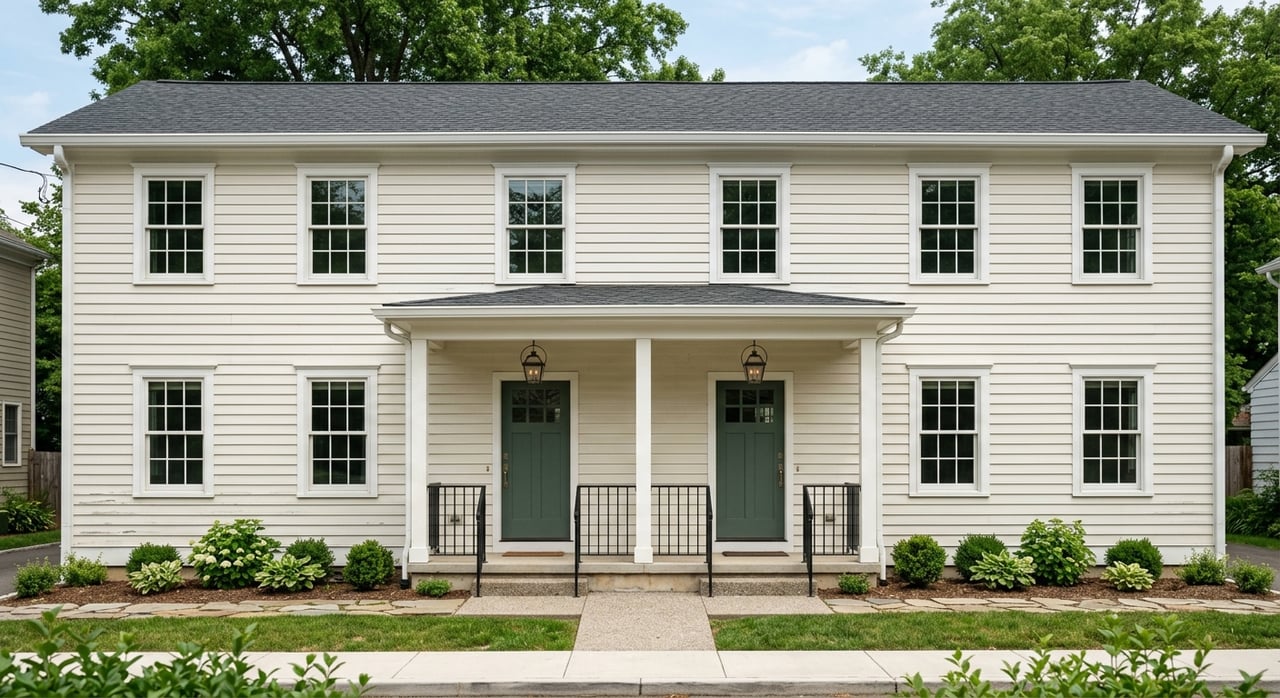
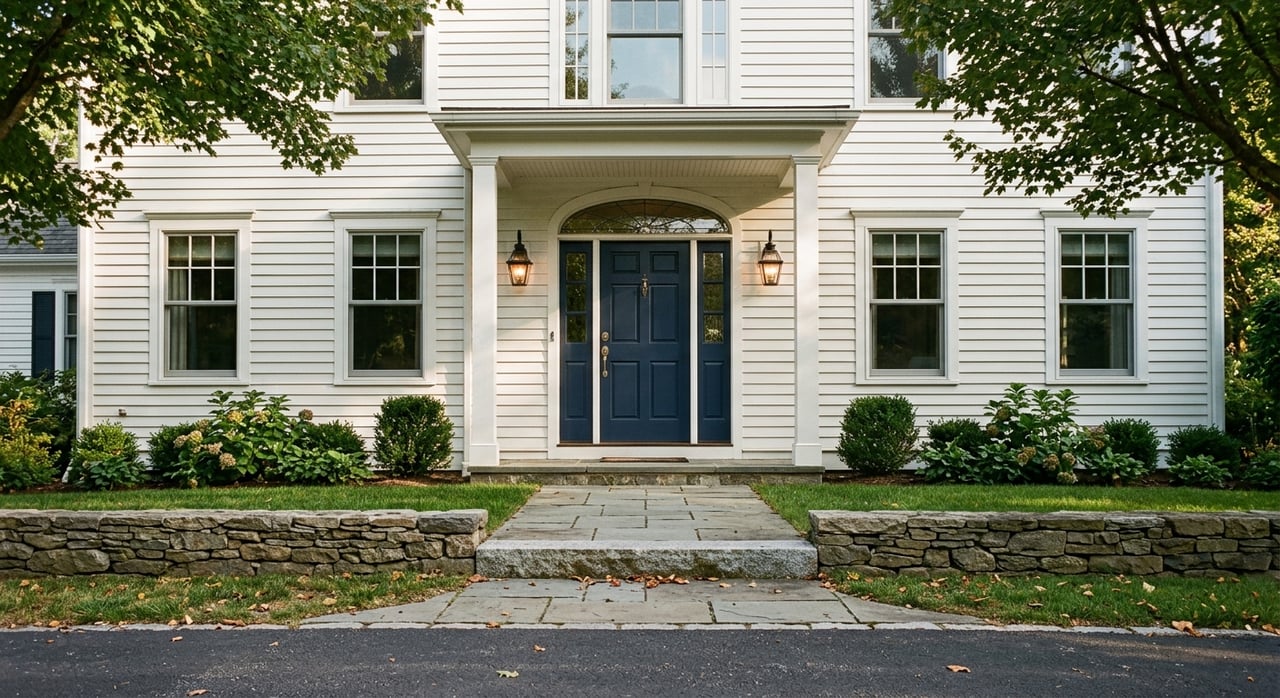
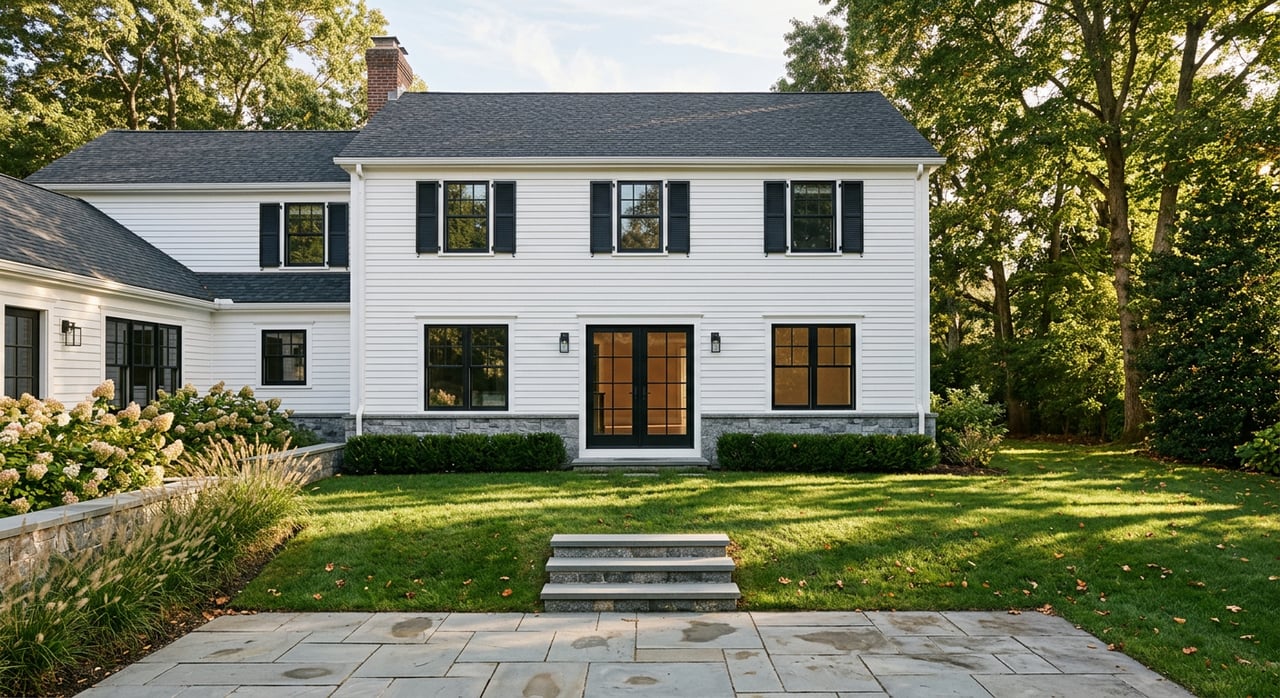
Expect a wide mix of homes. You will see waterfront single‑family options, some with private docks, historic properties in districts like Silvermine, and a range of condos, lofts, and townhomes near transit and SoNo. Independent affordability trackers consider Norwalk a relatively tight market, which means housing costs are a significant part of most budgets. For context, review the local page on the Affordability Index.
If you are buying, budget with some flexibility so you can act when the right home appears. If you are selling, staging, pricing, and professional marketing can make a clear difference in a competitive coastal market.
Seasonal rhythm and practical tips
- Summer is peak season for beaches, boating, and festivals like the Oyster Festival. Expect more visitors and fuller event calendars.
- Winter is quieter, but the Maritime Aquarium and SoNo restaurants operate year‑round, which keeps weekends lively.
- Beach usability can be affected by short‑term advisories. The city monitors water quality, so check the Calf Pasture and Shady Beach page for the latest seasonal updates.
- Boating access varies by marina or club and by season. Confirm slip availability, launch options, and any ferry or cruise schedules before you plan an island day.
Is Norwalk right for you?
If you want coastal living that is practical for commuting, Norwalk fits that brief. You can ride Metro‑North, enjoy public beaches without a long drive, grab dinner in SoNo, and spend weekends on the water. It is a city where the harbor and islands are part of everyday scenery, not once‑in‑a‑while treats.
Ready to explore homes near the beach, in SoNo, or in a quiet village nook like Rowayton or Silvermine? With nearly 40 years of local experience, I can help you compare neighborhoods, balance commute and lifestyle goals, and position your offer to win. Selling a coastal property? I use a staging‑led strategy and strong digital marketing to attract the right buyers.
If you are considering a move, reach out to Jeff Gagliardo for neighborhood‑level guidance and a calm, well‑managed process. Get your free home valuation and start planning your next step.
FAQs
How big is Norwalk, and what is the vibe?
- The 2020 Census counted 91,184 residents with a 2024 estimate around 93,661, giving you a mid‑sized coastal city with beaches, marinas, and a lively SoNo core. See Census QuickFacts.
What are the main public beaches in Norwalk?
- Calf Pasture Beach and adjacent Shady Beach are the primary public shore parks with sand, recreation areas, and seasonal facilities; check the city’s beach page for passes and updates.
How long is the Metro‑North commute from South Norwalk?
- Many trains to Grand Central run around 60 minutes, but times vary by train and hour; confirm current schedules in the TrainTime app or view Metro‑North notices.
What is the typical home value in Norwalk?
- Zillow’s index places Norwalk’s typical home value around 630,000 to 635,000 dollars in late‑2025 snapshots; see Norwalk home values for current data.
What makes SoNo a cultural hub?
- SoNo combines historic streets, the waterfront Maritime Aquarium, a broad dining scene, and newer development near the station, which creates an active day‑to‑night environment.
When does the Norwalk Oyster Festival happen?
- The Norwalk Seaport Association hosts the Oyster Festival in late summer at Veterans Memorial Park; see event details on the Festival FAQs.
Is boating access realistic if I do not own a boat?
- Yes. Public beaches support paddle sports, seasonal ferries or cruises visit nearby islands, and local marinas offer services that can help you get on the water without owning a slip.