If you want buyers to notice your Derby home for the right reasons, staging can make a real difference. Many buyers form their first opinion from listing photos, and in Derby, where most households have computer and broadband access, that first online impression matters. The good news is that you usually do not need a big renovation budget to make your home feel more inviting, cleaner, and easier to picture as someone’s next move. Let’s dive in.
Why staging matters in Derby
Derby’s housing market gives sellers a solid reason to focus on presentation. Recent market trackers placed local home values and sale prices in the mid-$300,000s, while homes were taking a median of about 55 days to sell. In that kind of market, staging can help your home feel more move-in ready and more memorable.
National staging data backs that up. The 2025 Profile of Home Staging found that 83% of buyers’ agents said staging made it easier for buyers to visualize a property as a future home. It also found that 26% said staging affected most buyers’ view of a home.
For sellers, staging is often less about decorating and more about removing distractions. The same report found that sellers’ agents most often recommended decluttering, whole-home cleaning, and curb appeal improvements before listing. Those simple steps can have a bigger impact than costly cosmetic changes.
Focus on a clean, bright look
In Derby, many homes respond best to a clean, bright, move-in-ready presentation. The city includes a mix of single-unit homes and older properties with character, and that usually means buyers want to see space, light, and condition clearly.
Instead of filling rooms with extra decor, aim for a simple and polished look. Clean surfaces, open sightlines, and balanced furniture placement help rooms feel larger and easier to understand. Buyers should be able to walk in and quickly see how the home lives.
This approach also supports your listing photos. Since so many buyers start their search online, your home needs to photograph well before it can impress in person. A staged home often looks calmer, brighter, and more appealing on screen.
Show off Derby home character
Derby’s official city materials highlight a strong inventory of historic buildings and architectural styles such as Colonial Revival, Greek Revival, Victorian, and Italianate/Victorian influences. If your home has older details, those features can be part of what helps it stand out.
That means original woodwork, built-ins, fireplaces, trim, and porches should not be hidden behind oversized furniture or busy accessories. Give those features breathing room so buyers can notice them. A smaller amount of well-placed furniture is often more effective than trying to fill every corner.
If your home has charm, let it read clearly. Character details can create warmth and personality, but only if buyers can actually see them. Good staging highlights the home itself, not the decor.
Start with curb appeal
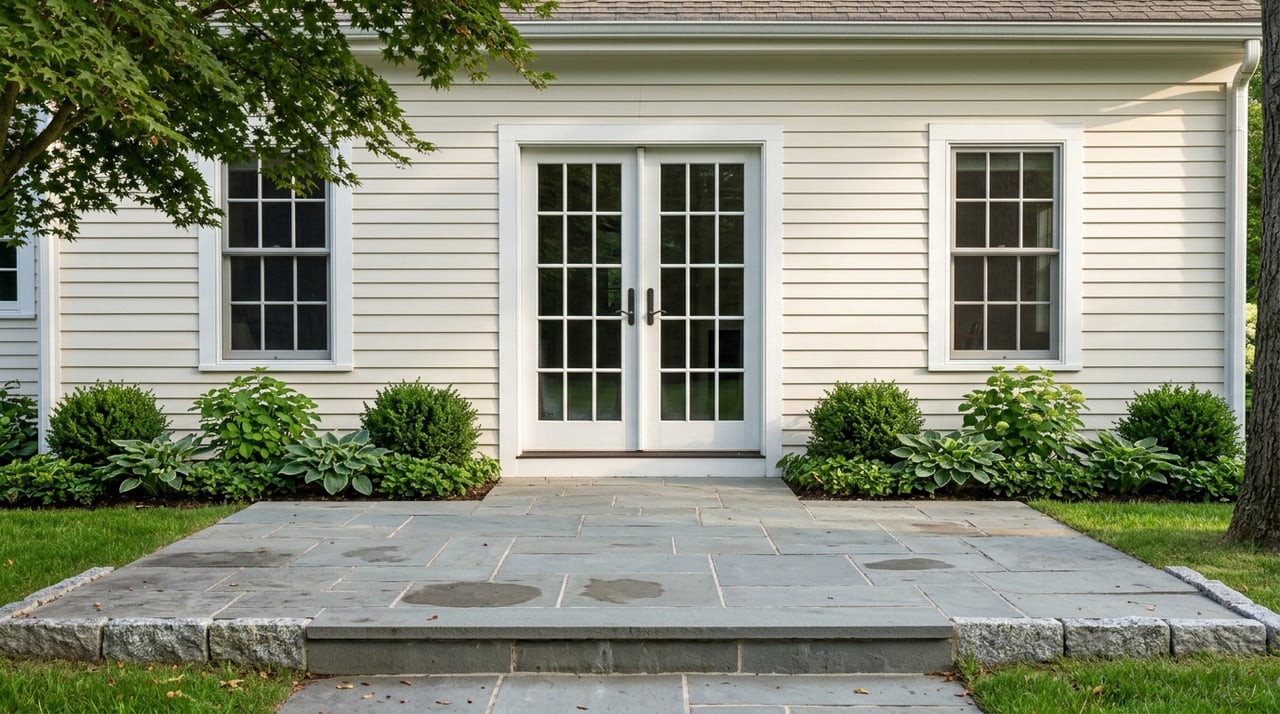
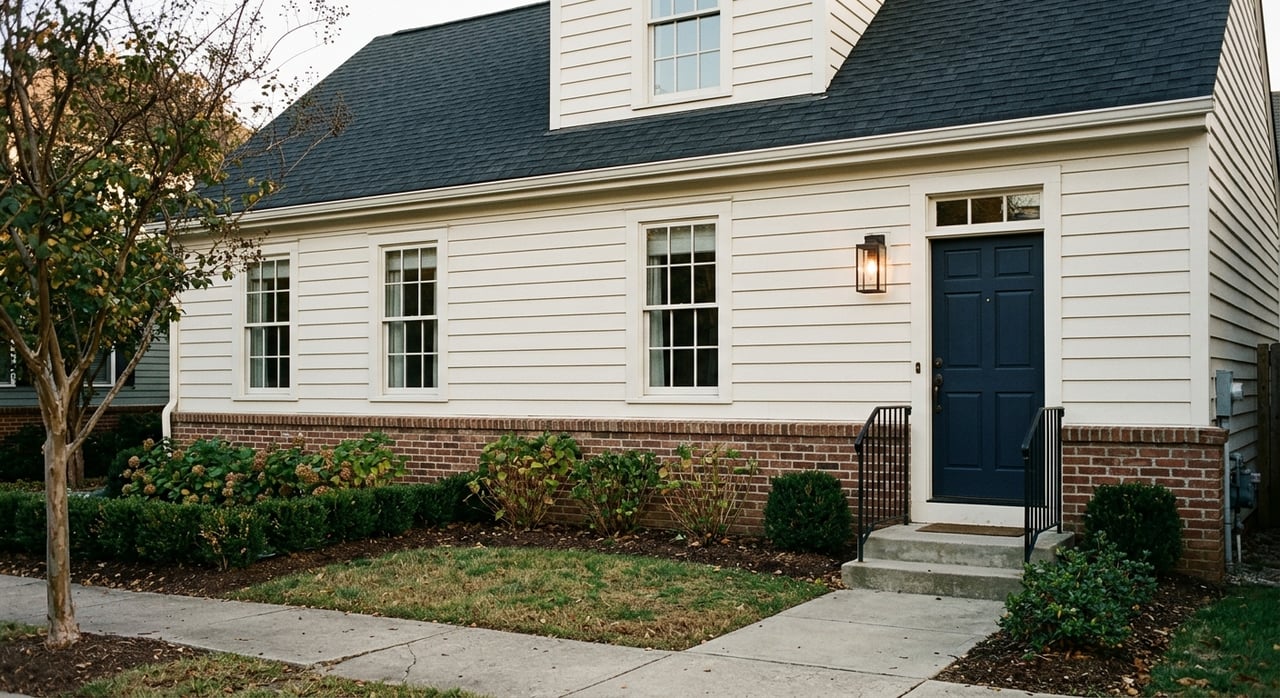
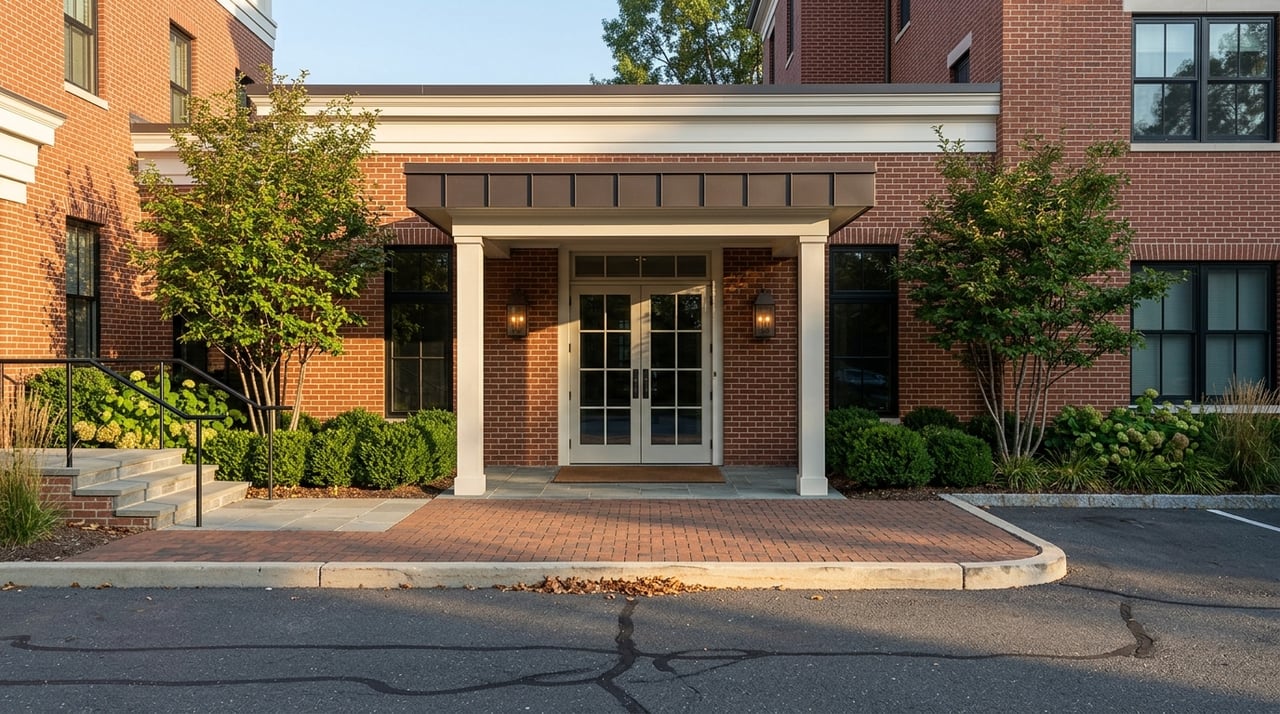
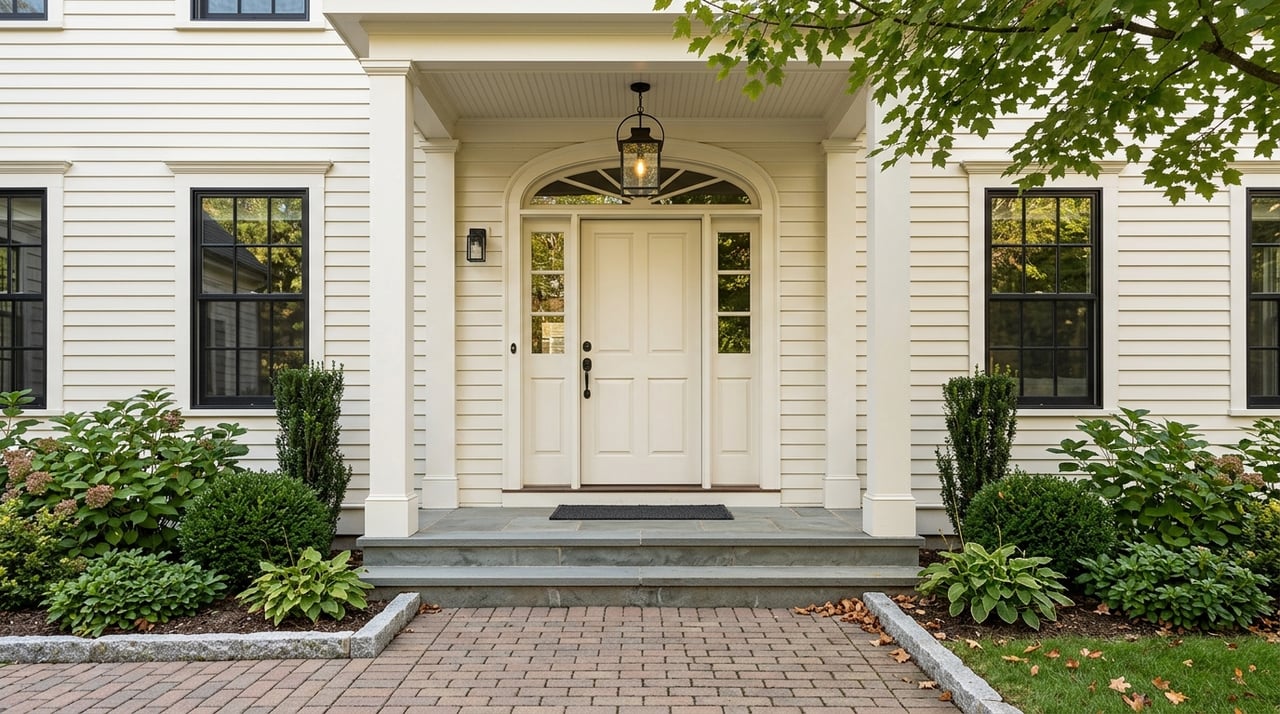
Your front entry sets the tone before a buyer even steps inside. In Derby’s compact streetscapes and older neighborhoods, the exterior often makes a strong first impression right away.
Start with the basics:
- Sweep the walkway and porch
- Clean the front door
- Trim shrubs and tidy landscaping
- Replace dim exterior bulbs
- Make sure house numbers are easy to read
These are simple updates, but they signal care and maintenance. NAR’s 2025 staging report found that curb appeal was one of the top pre-listing improvements recommended by sellers’ agents.
Stage the rooms buyers care about most
Not every room needs the same level of effort. According to the 2025 staging report, buyers’ agents ranked the living room, primary bedroom, and kitchen as the most important rooms to stage.
That gives you a clear place to begin if your time or budget is limited. Focus on the areas that help buyers picture daily life in the home. Those rooms also tend to be featured most heavily in photos.
Living room staging tips
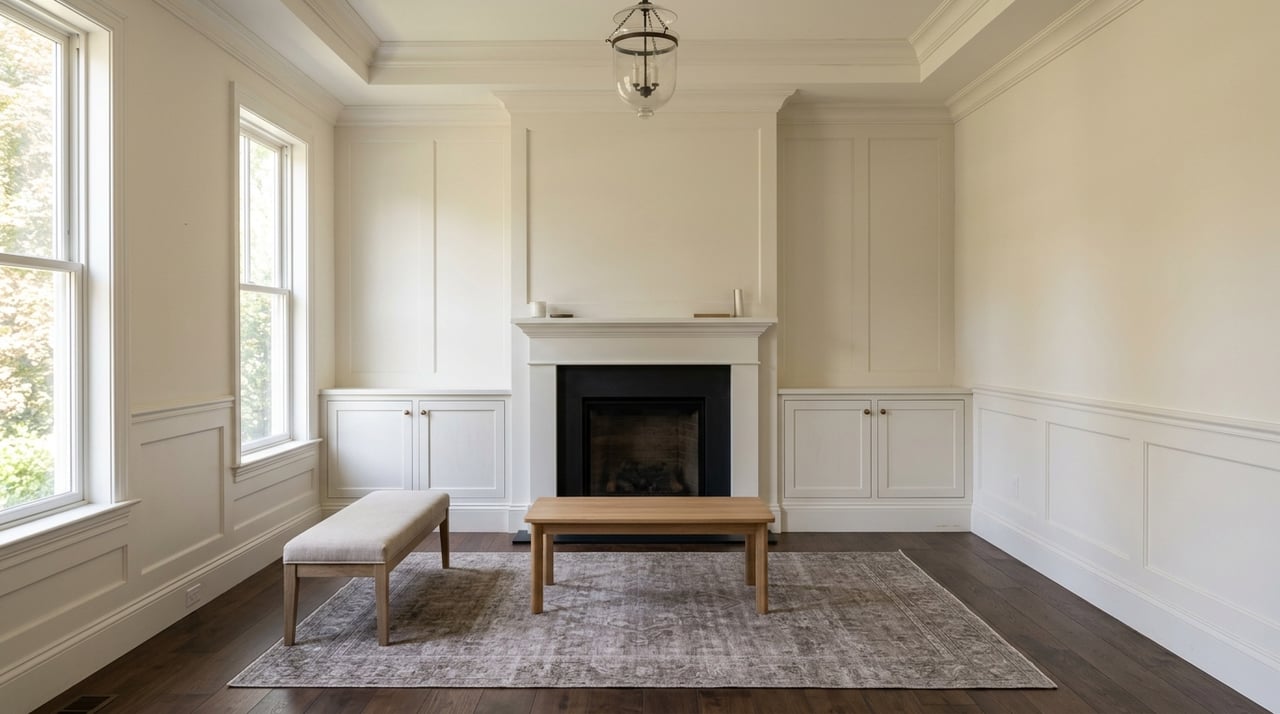
The living room should feel open, comfortable, and easy to move through. Remove furniture that blocks traffic flow or makes the room feel tight. In many Derby homes, especially older ones, using fewer but better-scaled pieces helps the room photograph better.
Try to create a simple conversation area with clear walking paths. If you have a fireplace, built-ins, or detailed trim, arrange furniture so those features stay visible. The goal is to make the room feel spacious and balanced.
Primary bedroom staging tips
Your primary bedroom should feel calm and uncluttered. Keep bedding simple, clear off dressers and nightstands, and remove extra chairs or storage pieces if they make the room feel crowded.
Closets matter too. Buyers will look at storage, so edit down clothing and personal items to make the space look organized. A tidy bedroom suggests the home has been well cared for.
Kitchen staging tips
In the kitchen, less is usually better. Clear counters as much as possible, store small appliances, and leave only a few intentional items out if needed.
Pay attention to finish details. Clean sinks, polish hardware, and make sure surfaces shine. If grout, caulk, or cabinet fronts need attention, small touch-ups can help the whole room feel fresher.
Do not overlook bathrooms and storage
Bathrooms may be small, but buyers notice them quickly. Clean mirrors, sinks, fixtures, tile, and grout so the room feels bright and crisp. Replace worn towels with fresh, simple ones and keep counters mostly clear.
Storage spaces also shape buyer perception. Closets, pantries, and cabinets look larger when they are only partly full and neatly arranged. Organized storage helps buyers believe the home will work for their day-to-day needs.
Use light, paint, and cleaning to your advantage
Some of the most effective staging tools are also the simplest. Open blinds, clean windows, and use consistent lighting throughout the home so spaces feel bright and connected.
Touch up scuffed walls with neutral paint where needed. If one room has a noticeably bold or tired wall color, toning it down can make the home feel more current and easier for buyers to picture as their own.
Whole-home cleaning is one of the most common recommendations from sellers’ agents for a reason. Clean floors, fresh-smelling rooms, and dust-free surfaces tell buyers your home has been maintained.
Plan staging before photography
Staging works best when it is part of your listing launch, not a last-minute rush. The 2025 NAR data found that photos were much more or more important to 88% of sellers’ agents’ clients, with videos and physical staging also playing a strong role.
That means your home should be fully staged before photos are taken. If you wait until after photography, you miss the biggest marketing moment. Most buyers will see your home online first, so your best presentation needs to happen from day one.
A practical order looks like this:
- Declutter and depersonalize
- Handle minor repairs and touch-ups
- Deep clean the whole home
- Stage the key rooms
- Schedule professional photos and marketing
When professional staging is worth it
Some homes benefit more from professional help than others. Vacant homes, cluttered occupied homes, awkward layouts, and properties competing at the higher end of the neighborhood price range are often strong candidates.
Physical staging is especially helpful when buyers may struggle to understand room size or function. The 2025 report found that buyers’ agents viewed traditional physical staging as more important than virtual staging. Virtual staging can help online, but it is usually best as a supplement rather than the full strategy.
Cost can be manageable depending on the level of service. NAR reported a median spend of $1,500 for a staging service, compared with $500 when a seller’s agent personally staged the home. The right choice depends on your home’s condition, layout, and selling goals.
Budget-friendly staging wins
If you want the biggest impact without overspending, keep your attention on the basics that buyers notice most:
- Declutter every room
- Deep clean before photos and showings
- Improve the front entry
- Use fewer, better-placed furniture pieces
- Highlight original character details
- Clear kitchen and bathroom counters
- Organize closets and storage areas
- Brighten lighting and touch up paint
These steps align with what staging data shows and what often works best in Derby homes. You do not need a dramatic makeover to make your home feel more appealing. You need a thoughtful presentation that helps buyers see value quickly.
Staging helps buyers say yes
A well-staged home does more than look nice. It helps buyers understand the layout, notice the best features, and picture themselves living there. That can support stronger interest and, in some cases, a better offer or less time on market.
In Derby, where housing stock can include both practical mid-market homes and properties with historic charm, staging should be tailored to what is already there. Clean, bright, and well-edited almost always wins over crowded, overly personal, or unfinished.
If you are getting ready to sell and want a staging plan that fits your home, your timeline, and your budget, connect with Jeff Gagliardo. With decades of Connecticut market experience and a seller-focused approach, he can help you prepare your Derby home to stand out from day one.
FAQs
How important is home staging for a Derby CT home sale?
- Home staging can be very important because it helps buyers visualize the property more easily, supports stronger listing photos, and can improve how quickly your home captures attention in Derby’s market.
Which rooms should you stage first in a Derby home?
- Start with the living room, primary bedroom, and kitchen, since buyers’ agents ranked those as the most important spaces to stage.
What is the most budget-friendly way to stage a Derby CT house?
- The most cost-effective steps are usually decluttering, deep cleaning, improving curb appeal, touching up paint, and rearranging furniture to make rooms feel more open.
Should you stage a vacant home in Derby CT?
- Yes, vacant homes often benefit from physical staging because it helps buyers understand room size, layout, and function better than empty spaces do.
What home features should you highlight when staging an older Derby house?
- If your home has original trim, built-ins, a fireplace, porch details, or other period character, staging should keep those features visible rather than covering them with too much furniture or decor.